3D Rendered Avocado for Design Projects: A Realistic and Versatile Asset
The avocado has long been celebrated as a symbol of health, nutrition, and natural beauty. From its vibrant green hue to its creamy texture and rich nutritional profile, this fruit offers both visual appeal and practical value. In the digital design world, these qualities make it an ideal subject for 3D rendered avocado assets. Whether you're creating content for marketing, education, or creative projects, having access to high-quality 3D models can significantly enhance your work. The 3D rendered avocado perfect for design project ZIP folder provides designers with a realistic and flexible tool that can be used across various platforms and industries.
Understanding the Value of 3D Rendered Avocados
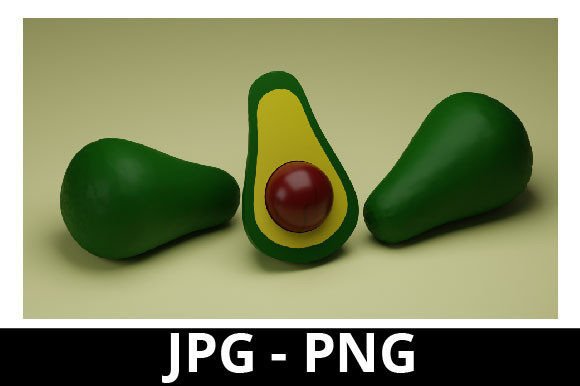
A 3D rendered avocado is more than just a static image—it’s a dynamic, photorealistic model that can be manipulated in multiple ways. These renderings are created using advanced software that simulates lighting, textures, and environmental interactions to produce visuals indistinguishable from real-life photographs. This level of detail is especially valuable when working on design projects that require versatility and realism.
With formats like JPG and PNG included in the ZIP folder, users have the flexibility to choose between transparent backgrounds for graphic overlays or full-color images for print and web use. Each file is optimized to maintain clarity and quality while being suitable for different resolutions and display settings.
Key Characteristics of High-Quality 3D Avocado Models
- Realism: Accurate skin texture, color variation, and subtle imperfections mimic a real avocado, making it suitable for closeup shots or product presentations.
- Flexibility: The ability to rotate, zoom, and adjust lighting allows for seamless integration into diverse design contexts.
- Isolation: Many models are presented on transparent or white backgrounds, ensuring they can be easily placed into new environments without distractions.
- Multiple Angles: The inclusion of whole, sliced, and half-cut versions gives designers a range of options depending on their needs.
Applications Across Industries
The 3D rendered avocado is not limited to one field; it serves a wide variety of purposes. Here are some key areas where it shines:
Health and Nutrition Communication
In the health and wellness sector, avocados are often highlighted for their high levels of healthy fats, vitamins, and minerals. Using a 3D rendered avocado in educational materials or promotional campaigns helps convey messages about nutrition and diet in a visually engaging way. For example, a designer might use a closeup of a sliced, juicy avocado to illustrate how to incorporate this superfood into daily meals.
Graphic Design and Branding
Avocados are a popular motif in modern branding—especially for organic, eco-friendly, and healthy lifestyle products. A realistic 3D avocado graphic can serve as a central element in logos, packaging designs, and social media graphics. Its organic shape and rich color make it a versatile asset that complements minimalistic or bold design styles alike.
Interior and Product Photography
Designers working in interior photography or food styling often use 3D elements to fill gaps or create compositions before actual photoshoots. A 3D rendered avocado can be positioned on a kitchen counter, in a salad bowl, or as part of a tropical fruit arrangement to visualize scenes effectively. This saves time and resources during production while maintaining a high standard of visual quality.
Educational and Scientific Illustrations
Researchers and educators can benefit from using 3D models to demonstrate biological features or dietary benefits. An isolated, detailed rendering of an avocado can be used to highlight the layers of the fruit, the seed, and the soft flesh beneath the skin. Such models support interactive learning tools and infographics focused on topics like natural foods, vitamin content, and healthy eating habits.
Advantages of Using 3D Rendered Assets
Compared to traditional photography or stock images, 3D rendered avocados offer several distinct advantages:
- Consistency: The same model can be used across multiple platforms, ensuring brand coherence and visual harmony.
- Customization: Lighting, background, and perspective can be altered post-rendering to fit specific design requirements.
- Cost-Effectiveness: Once a 3D model is created, it can be reused infinitely, reducing the need for repeated photo shoots.
- Time-Saving: Designers can quickly generate multiple variations without waiting for physical setups or props.
These benefits make the 3D rendered avocado perfect for design project particularly appealing to professionals who need scalable and adaptable visual content.
Use Cases in Everyday Design Work
Let’s explore a few scenarios where a 3D avocado could prove invaluable:
- Website Banners: A tropical-inspired banner featuring a fresh avocado can attract attention and communicate a theme of health and vitality.
- Packaging Mockups: When designing labels for organic juice or butter products, placing a 3D avocado on the package adds authenticity and visual interest.
- Social Media Content: With the rise of healthy lifestyles, content featuring avocados—like smoothie bowls or toast toppings—can engage audiences. A 3D avocado ensures crisp, clear visuals that stand out in feeds.
- Print Materials: Brochures, flyers, or posters promoting fitness programs or plant-based diets can include a realistic avocado to emphasize freshness and nutrition.
Considerations for Effective Use
While 3D avocado models are powerful tools, there are a few considerations to keep in mind when integrating them into design projects:
Quality and Resolution
Not all 3D renders are created equal. It's important to select models that are high-resolution and well-textured. The 3D rendered avocado for design project should reflect the natural feel of the fruit—its slightly rough skin, the softness of the flesh, and the glossy sheen after being cut. Poorly rendered models may appear artificial and detract from the overall professionalism of the design.
Contextual Relevance
Using a 3D avocado in the right context enhances the message being conveyed. For instance, placing a half-sliced avocado beside a spoon in a recipe illustration makes sense. However, using the same model in a scene unrelated to food or health might confuse the audience or reduce the effectiveness of the design.
Lighting and Composition
One of the strengths of 3D models is the ability to control lighting conditions. Designers can experiment with shadows, highlights, and reflections to create mood and depth. Whether it's a bright, sunny scene or a moody closeup of a freshly cut avocado, adjusting these factors can help achieve the desired aesthetic.
Software Compatibility
Before downloading the 3D rendered avocado perfect for design project ZIP folder, ensure that the files are compatible with your design software. Some models come with additional textures or layers that may require specific applications to edit. Checking file types (such as JPG and PNG) and confirming compatibility will prevent unnecessary delays during the creative process.
Trends and Future Potential
As the demand for digital assets grows, so does the sophistication of 3D modeling techniques. Today, many designers and marketers are turning to 3D renders to create immersive experiences, such as virtual kitchens or augmented reality apps showcasing healthy meal options. The avocado, already a trendy ingredient, is becoming even more prominent in this space due to its association with wellness, sustainability, and modern aesthetics.
Moreover, the rise of e-commerce and online food delivery services means that product visuals must be compelling and accurate. A 3D rendered avocado can be used to showcase ingredients for a meal kit service, a juice bar menu, or a grocery store website. As consumers become more discerning, the ability to present food in a lifelike manner becomes a competitive advantage.
Integrating Avocado Models into Creative Workflows
To maximize the utility of a 3D rendered avocado, consider how it fits into your existing workflow. Here are a few tips:
- Start by importing the model into your preferred design or rendering software to explore its capabilities.
- Experiment with different angles—whole, sliced, and half-cut—to find the most impactful presentation for your project.
- Layer the avocado model over other assets to test how it interacts with your design elements.
- Use the transparent PNG format to place the avocado seamlessly into any background or layout.
By taking these steps, you can ensure that the 3D avocado model enhances rather than distracts from your design goals.
Why Choose a 3D Rendered Avocado?
There are countless reasons why professionals choose 3D models over traditional methods. For starters, they eliminate the limitations of physical objects—no need to worry about spoilage, lighting inconsistencies, or prop availability. A 3D avocado remains fresh indefinitely, allowing for repeated use across multiple projects.
Additionally, 3D models offer a level of creativity that’s hard to match with photography alone. You can render the avocado in motion, change its size dynamically, or simulate different stages of ripeness. These features open up new possibilities for storytelling and visual communication.
For hobbyists and small business owners, the accessibility of pre-rendered models like those in the 3D rendered avocado for design project ZIP folder is a game-changer. It lowers the barrier to entry for high-quality design and empowers individuals to create professional-looking content without needing expensive equipment or expertise in 3D modeling.
Examples of Creative Uses
Here are some innovative ways the 3D avocado has been applied in recent design projects:
- Infographics: Showing the nutritional breakdown of avocados with a stylized, labeled 3D model.
- Product Packaging: Featuring a realistic avocado on a line of plant-based spreads or snacks.
- Mobile App UI: Using the avocado as a recurring icon or visual theme for a fitness or meal planning app.
- Restaurant Menus: Incorporating a 3D avocado to highlight dishes like guacamole or avocado toast.
- Virtual Reality Experiences: Creating a nature-themed VR environment where users interact with tropical fruits, including avocados.
Final Thoughts on Utilizing 3D Avocado Models
The 3D rendered avocado for design project represents more than just a visual asset—it's a bridge between creativity and functionality. Whether you’re illustrating a healthy diet, building a brand around natural foods, or crafting an engaging educational piece, this model can bring your vision to life with unmatched realism and adaptability.
As design continues to evolve, the ability to leverage 3D assets will become increasingly essential. By choosing a 3D rendered avocado perfect for design project, you're not only enhancing your current work but also future-proofing your creative toolkit. The combination of green, natural, and delicious attributes in a single model makes it a standout choice for anyone looking to add a touch of realism and health-focused imagery to their projects.