3D Rubik s Cube Vector Design: A Strategic Tool for Creativity and Communication
The 3D Rubik's Cube vector design is more than a nostalgic puzzle icon; it has evolved into a powerful visual tool that can enhance strategic thinking, branding, and digital communication. This design element—typically composed of clean lines, geometric precision, and vibrant colors—offers professionals across industries a way to represent complexity, problem-solving, and innovation in an engaging format.
What Is 3D Rubik’s Cube Vector Design?
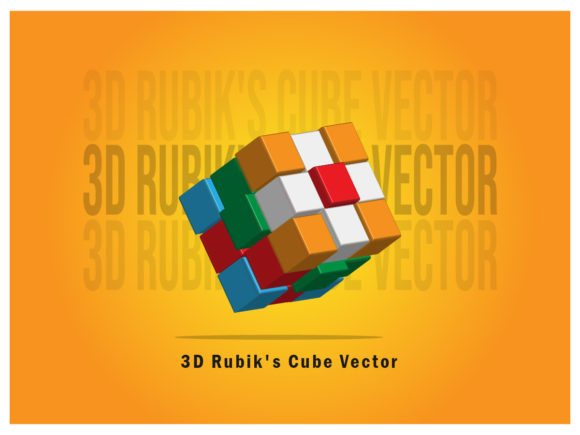
A 3D Rubik's Cube vector design is a stylized illustration of the classic cube puzzle created using vector graphics software such as Adobe Illustrator or Inkscape. Unlike raster images, vectors are resolution-independent, meaning they maintain clarity at any scale. The 3D aspect adds depth and realism through perspective, shading, and lighting effects, while the modular structure of the cube makes it highly adaptable for various applications.
This design format is popular among marketers, educators, designers, and entrepreneurs who seek to communicate abstract ideas visually. Its iconic nature ensures immediate recognition, and its dynamic appearance can be manipulated to reflect progress, transformation, or layered solutions.
Strategic Use Cases for 3D Rubik’s Cube Vector Design
- Branding and Marketing: Incorporating a 3D Rubik’s Cube vector into your brand visuals can symbolize innovation and intellectual challenge. It’s particularly effective for tech startups, educational platforms, and creative agencies aiming to stand out in a crowded market.
- Product Launches: When launching a new product that solves a complex problem, using this design can help illustrate the multifaceted approach behind the solution. Each face of the cube could represent a different feature or benefit.
- Learning and Education: Educators can use the cube to teach concepts like permutations, logic, and spatial reasoning. Animated versions may also demonstrate step-by-step processes in a visually compelling way.
- Website and App UI Elements: As a background or interactive component, the 3D Rubik’s Cube vector can add a touch of sophistication and curiosity to user interfaces.
- Infographics and Presentations: The cube’s segments can serve as containers for data points, timelines, or project phases, making dense information easier to digest.
When to Consider Using 3D Rubik’s Cube Vector Design
Before integrating a 3D Rubik's Cube vector design, consider whether your message aligns with its symbolism. For example, if you're promoting a service that helps clients "solve" problems, the cube can act as a metaphor for the process. However, if your content is straightforward or unrelated to complexity, overcomplicating the visual might confuse your audience.
- Use it when explaining multi-dimensional strategies: Break down each side of the cube into different components of your plan. This approach works well in business planning, especially for cross-functional teams.
- Incorporate it during brainstorming sessions: Digital whiteboards or presentations can benefit from a rotating cube that represents evolving ideas or possible outcomes.
- Highlight creativity and adaptability: If your brand or product emphasizes thinking outside the box, the Rubik’s Cube is a perfect visual metaphor for flexibility and ingenuity.
- Support educational content: Teachers and instructional designers can leverage the cube to make learning more interactive and memorable, especially in STEM-related fields.
Planning Thoughtfully with 3D Rubik’s Cube Vector Design
To maximize impact, integrate the 3D Rubik's Cube vector design with intention. Begin by identifying the core message or concept you want to convey. Once clear, map each segment of the cube to a specific part of your narrative or strategy.
For instance, imagine a marketing agency using a cube where each face represents a key stage in the customer journey: awareness, consideration, conversion, retention, advocacy, and feedback. As the cube rotates, viewers see how these stages interconnect and evolve over time. This not only reinforces the idea of a holistic approach but also guides the viewer’s understanding in a structured yet dynamic way.
Designing with Purpose: Key Considerations
While the 3D Rubik's Cube vector design offers flexibility, success depends on thoughtful execution. Here are some essential considerations before relying on it:
- Context matters: Ensure the cube complements the tone and subject matter. A minimalist version may suit a corporate presentation, while a colorful, animated one could energize a blog post or social media campaign.
- Clarity over complexity: Avoid adding too many details unless necessary. The goal is to simplify the message, not to create another puzzle for the audience to solve.
- Technical feasibility: If you plan to animate or embed the cube in a website, check compatibility with your development tools and platforms. Vector-based animations tend to perform better than raster alternatives.
- Accessibility: Provide alternative text and avoid relying solely on color or motion to convey meaning. Not all users will perceive the visual cues the same way.
Risks of Misuse and How to Avoid Them
Using a 3D Rubik's Cube vector design without clear context or purpose can lead to several pitfalls:
- Distracting audiences: Overuse of animation or excessive detail can divert attention from your main message. Keep the design aligned with the content hierarchy.
- Misrepresenting simplicity: The Rubik’s Cube is often associated with difficulty. If your message is about ease or accessibility, the cube may send mixed signals.
- Losing brand consistency: The cube should blend seamlessly with your existing visual identity. Mismatched styles or inconsistent use can weaken brand recognition.
To avoid these issues, always start with a strong content-first strategy. Ask yourself: What does the cube represent in this context? Does it add value or just aesthetics? Answering these questions upfront ensures the design supports—not undermines—your communication goals.
Practical Examples of Intentional Application
Here are a few real-world scenarios where a 3D Rubik's Cube vector design was used effectively:
Example 1: Product Feature Showcase
A SaaS company used a rotating cube in their homepage hero section. Each face displayed a unique feature, such as automation, security, analytics, and support. As users scrolled, the cube turned to reveal more details. This helped reduce cognitive load while keeping the interface playful and informative.
Example 2: Team Collaboration Visual Aid
An internal team meeting featured a printed Rubik’s Cube graphic with each side representing a department (design, engineering, sales, etc.). During discussions, members moved physical cubes around the board to track progress and dependencies. This made abstract workflows tangible and fostered better alignment.
Example 3: Educational Curriculum Mapping
A university course on systems thinking incorporated a digital Rubik’s Cube to visualize interconnected topics. Students were encouraged to manipulate the cube to explore relationships between modules. The interactive experience deepened engagement and reinforced learning objectives.
How to Approach the Design Process
Creating or commissioning a 3D Rubik's Cube vector design involves several steps:
- Define your objective: Are you trying to explain a process, showcase features, or engage users interactively?
- Sketch the concept: Start with a simple wireframe or storyboard to outline how the cube will function within your content or design.
- Choose the right style: Will it be realistic, flat, or stylized? The choice should reflect your audience and platform.
- Map content to faces: Assign each face or section of the cube a distinct theme or data point. This keeps the message organized and easy to follow.
- Test usability: Especially for interactive designs, test with a small group to ensure the cube enhances rather than hinders understanding.
Remember, the cube should never be the focal point unless it directly serves the message. Use it to frame, not dominate.
Long-Term Value and Decision-Making Guidance
As with any design tool, the long-term value of a 3D Rubik's Cube vector design lies in its ability to consistently reinforce your message across multiple channels. When used strategically, it can become a recognizable symbol that ties together your brand story, product offerings, and user experience.
For decision-makers, consider the following:
- Can the cube evolve with your brand or product lifecycle? A static image may need updating as your offering changes.
- Does it allow for localization or adaptation in different markets? The cube’s universal appeal can be a strength, but cultural nuances may affect its interpretation.
- Is there room for future expansion? If your strategy grows beyond six elements, think about whether the cube remains the best metaphor or if another model would be more appropriate.
By embedding the cube into a broader visual language, you create a consistent framework that aids in both internal planning and external communication.
Balancing Creativity and Practicality
One of the greatest strengths of the 3D Rubik's Cube vector design is its balance between artistic flair and functional utility. It allows creators to experiment with form and interaction while maintaining a clear message. Whether you're designing a logo, crafting an infographic, or building a presentation, the cube can add a layer of visual storytelling that resonates with your audience.
However, this doesn’t mean you should prioritize novelty over purpose. Always ask: “Does this design help me achieve my goal?” If the answer isn't a resounding yes, reconsider its role in your work.
Final Thoughts on Strategic Integration
Ultimately, the 3D Rubik's Cube vector design is a versatile asset when applied with intention. It bridges the gap between abstract concepts and tangible visuals, making it ideal for businesses and creators focused on problem-solving, education, or innovation. But its effectiveness hinges on clarity, relevance, and alignment with your overarching goals.
Whether you’re enhancing your brand identity, simplifying complex ideas, or boosting user engagement, take the time to understand how the cube fits into your narrative. With careful planning and a focus on meaningful application, you can turn this iconic shape into a strategic advantage that delivers lasting results.