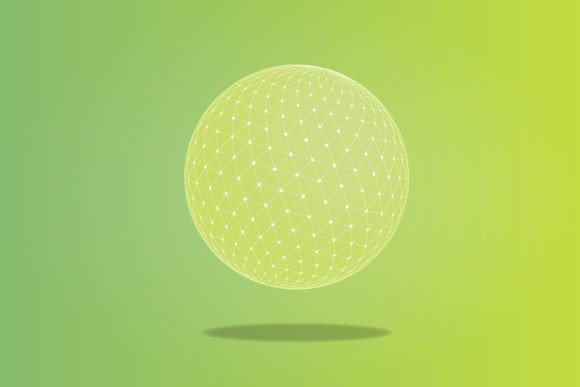
Abstract 3d Polygonal Design for Creative Projects
Abstract 3D polygonal design is a powerful visual style that has gained popularity across industries—from marketing and education to game development and product branding. Its clean, geometric aesthetic offers a unique blend of simplicity and sophistication, making it ideal for those who want to communicate ideas clearly while maintaining a modern edge. One standout element in this category is the Polygonal planet low poly design abstract 3D polygonal EPS file, which combines artistic creativity with technical precision.
Understanding Abstract 3d Polygonal Design
At its core, abstract 3D polygonal design uses flat, multi-sided shapes—polygons—to create stylized representations of objects, environments, or concepts. Unlike photorealistic 3D models, these designs emphasize structure and form over detail, resulting in a visually striking yet minimalistic look. The term "low poly" refers to the use of fewer polygons to render an object, often giving it a retro or futuristic feel depending on the context.
The Polygonal planet low poly design is a popular application of this technique. It represents celestial bodies such as Earth, Mars, or fictional planets using simplified polygonal geometry. These designs are commonly used in infographics, educational materials, website headers, and even in video games where performance optimization is key.
Why Abstract 3d Polygonal Matters for Modern Creators
For professionals in creative fields, having access to high-quality assets like abstract 3D polygonal EPS files can streamline workflows and elevate final outputs. These vector-based files offer scalability without loss of quality, allowing designers to use them in print or digital formats seamlessly. Whether you're creating a presentation for a client or designing a logo for a new startup, abstract 3D polygonal elements add a level of visual intrigue that’s hard to achieve with traditional 2D graphics.
Entrepreneurs and marketers, in particular, benefit from the adaptability of these designs. A low poly planet can serve as a compelling background for a space-themed product launch or as a symbol in branding for eco-friendly initiatives, representing sustainability through a cosmic lens. The ability to customize colors, shapes, and layering makes these designs highly versatile.
1. Enhancing Presentation Visuals
Presentations are more than just data—they’re storytelling tools. Incorporating abstract 3D polygonal visuals into slides can help break up dense content and guide the audience's attention. For example, when presenting a tech startup idea involving satellite communication or climate change monitoring, a stylized low poly planet can be used to represent global connectivity or environmental impact.
Designers who use EPS files (Encapsulated PostScript) gain the advantage of editability, meaning they can adjust individual components of the design rather than working with a fixed image. This flexibility is invaluable when aligning the graphic with brand colors or other design elements.
2. Supporting Educational Content
Teachers and educators can leverage abstract 3D polygonal imagery to make complex subjects more accessible. In science classes, for instance, a low poly planet can serve as a simplified model of planetary systems or atmospheric layers. This approach helps students visualize abstract concepts without being overwhelmed by realism or excessive detail.
Using scalable vector files like the EPS format ensures that diagrams remain crisp at any resolution, whether printed in a textbook or displayed on a classroom projector. The clean lines and modular nature of polygonal designs also make them easy to annotate and integrate with other learning materials.
3. Improving Website Design and Branding
Web developers and UX designers often seek ways to balance aesthetics with performance. Abstract 3D polygonal elements, especially those in EPS format, can be converted into SVGs or optimized PNGs for fast loading times while retaining their visual appeal. A Polygonal planet low poly design could be used as a hero image on a landing page for a travel company offering interstellar experiences—or as part of a logo for a software firm specializing in geospatial analytics.
These assets allow brands to stand out in a crowded digital landscape. Their futuristic vibe resonates with audiences looking for innovation and creativity, making them perfect for industries like gaming, technology, and environmental advocacy.
Who Can Benefit Most from Abstract 3d Polygonal Assets?
- Graphic designers who need scalable, editable elements for logos, posters, or social media graphics.
- Marketing teams aiming to create visually engaging campaigns with a modern twist.
- Freelancers and small business owners seeking cost-effective design solutions that don’t compromise on quality.
- Game developers interested in building stylized worlds with optimized performance.
- Bloggers and content creators who want to enhance articles with eye-catching illustrations.
Take a blogger writing about renewable energy. Instead of using generic stock photos of wind turbines or solar panels, incorporating a low poly planet with stylized energy sources orbiting it can create a memorable visual metaphor. Similarly, a freelance web designer might use an abstract 3D polygonal background to give a client’s portfolio site a fresh, contemporary look.
Advantages of Using EPS Files for Polygonal Designs
One of the main advantages of using EPS files for abstract 3D polygonal art is their compatibility with most design software, including Adobe Illustrator, Photoshop, and CorelDRAW. Unlike raster images, which lose quality when scaled, EPS allows for infinite resizing without degradation. This is particularly important when preparing materials for both online and offline use.
Moreover, EPS files are composed of vectors, meaning each line and shape can be edited individually. For instance, if a low poly planet needs to reflect different continents or moons, a designer can modify specific parts without redrawing the entire asset. This not only saves time but also supports iterative design processes common in branding and advertising.
Case Study: A Marketing Agency’s Campaign Makeover
A mid-sized marketing agency was tasked with redesigning a campaign for a space tourism venture. They opted to use an abstract 3D polygonal EPS file featuring a stylized Earth surrounded by stars and spacecraft. By customizing the color scheme and adding subtle animations, they created a series of promotional materials that felt cutting-edge yet approachable.
The result? A 40% increase in engagement on the campaign’s landing page and positive feedback from clients who appreciated the originality and clarity of the visuals. This real-world example highlights how thoughtful use of abstract 3D polygonal design can lead to tangible improvements in audience response and project success.
When to Consider Alternatives
While abstract 3D polygonal designs are incredibly versatile, they aren't always the best fit. If your project requires a high degree of realism—such as architectural visualization or medical illustration—you may find the stylized nature of polygonal art limiting. Additionally, some audiences might prefer softer, more organic visuals for certain themes like wellness or lifestyle content.
In such cases, comparing options like realistic 3D rendering, hand-drawn illustrations, or mixed-media approaches can help determine the best direction. However, for projects where speed, scalability, and a futuristic or minimalist aesthetic are priorities, abstract 3D polygonal remains a strong contender.
Recommendations for Getting Started
- Explore free and premium libraries: Many platforms offer abstract 3D polygonal EPS files, including Envato Elements, Shutterstock, and Adobe Stock. Look for collections that include multiple variations of planets and other geometric forms.
- Use compatible software: To edit and manipulate EPS files effectively, ensure you have vector-based design tools like Adobe Illustrator or Inkscape installed.
- Customize wisely: Don’t hesitate to tweak colors, lighting, or shapes to better align with your brand or message. A simple adjustment can significantly improve the relevance and impact of the design.
- Pair with complementary styles: Abstract 3D polygonal works well alongside flat design, neon effects, or glitch aesthetics. Experimenting with combinations can lead to fresh, innovative looks.
Conclusion
Abstract 3D polygonal design, especially when utilizing a low poly planet in EPS format, provides a unique opportunity to enhance creativity, communication, and efficiency across various domains. From boosting the visual appeal of marketing campaigns to simplifying complex educational topics, these designs offer practical value with a touch of artistic flair.
Creators who embrace this style can unlock new possibilities in their work, delivering results that are both functional and aesthetically pleasing. As with any design choice, the key lies in understanding the context and ensuring the visuals support the message. With the right approach, abstract 3D polygonal assets can become a valuable addition to any creative toolkit.