Bank 3D Illustration: A Powerful Tool for Modern Design Projects
In today’s fast-paced digital world, visual content is king. Whether you're crafting a user interface (UI), designing a mobile app, preparing a presentation, or creating eye-catching social media ads, the need for high-quality, versatile graphics has never been greater. Enter Bank 3D Illustration, a dynamic and increasingly popular asset that bridges the gap between creativity and functionality. These illustrations offer a modern, scalable solution for professionals across various industries who want to elevate their designs without compromising on detail or resolution.
What Is Bank 3D Illustration?
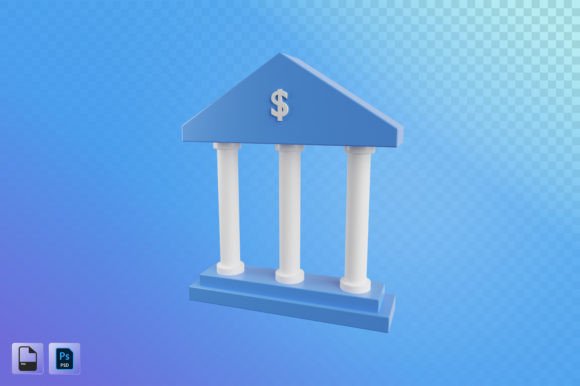
Bank 3D Illustration refers to a collection of high-resolution, three-dimensional visual assets designed specifically for creative projects. Unlike traditional 2D images, these illustrations provide depth, realism, and flexibility, making them ideal for use in UI/UX design, web development, marketing materials, posters, presentations, and more. They are typically delivered in formats like PSD and PNG, with resolutions up to 3000x3000 pixels, ensuring they look sharp on any platform — from mobile screens to large-format print.
These illustrations often feature clean lines, vibrant colors, and stylized elements that can be easily customized to match brand aesthetics or project requirements. As such, they’re not just static visuals; they’re adaptable tools that empower designers to build engaging and professional-looking content quickly and efficiently.
Why Are 3D Illustrations Gaining Popularity?
The surge in popularity of 3D illustrations isn’t a coincidence — it reflects broader shifts in how we consume and create digital content. With advancements in rendering technology and design software, producing 3D visuals has become more accessible than ever before. This shift has led to an increase in demand across multiple sectors:
- App Development: App interfaces now require immersive visuals to stand out in crowded marketplaces. 3D illustrations help developers add a layer of sophistication and clarity to their designs.
- Web Design: Websites that incorporate 3D elements tend to capture attention more effectively and enhance user engagement. They also allow for more intuitive navigation and storytelling.
- Social Media Advertising: Platforms like Instagram, Facebook, and LinkedIn favor visually rich content. Using Bank 3D Illustration ensures your ads remain relevant and attractive across different screen sizes and resolutions.
- Content Creation: From YouTube thumbnails to blog headers, 3D illustrations bring a unique flair that can make your content pop and drive higher click-through rates.
As audiences grow more accustomed to interactive and visually stimulating content, businesses and creators are responding by integrating 3D into their workflows. It’s no longer enough to have a basic graphic — users expect something memorable, something that stands apart.
Practical Uses of Bank 3D Illustration Across Industries
Let’s explore some real-world scenarios where Bank 3D Illustration shines:
1. UI and UX Design
User experience is at the heart of every successful app or website. 3D illustrations can help visualize complex features, guide users through processes, or simply add a touch of elegance to the overall design. For instance, when illustrating a financial dashboard, a 3D bank icon or a stylized graph can communicate data trends more effectively than a flat image.
2. Web Design
Websites that leverage 3D illustrations often see improved visitor retention and satisfaction. These visuals can be used as hero images, background elements, or even animated components to create a sense of movement and life. High-resolution files ensure they look crisp on retina displays, while layered PSD files let web designers tweak individual elements without starting from scratch.
3. Presentations and Posters
Whether you're pitching to investors or promoting a product at a trade show, using 3D illustrations can make your message more compelling. They allow you to present abstract concepts in a tangible way. Imagine a poster showcasing a new banking app — a 3D illustration of a secure vault or a futuristic interface can instantly convey trust and innovation.
4. Social Media and Marketing
Social media platforms thrive on content that catches the eye. Bank 3D Illustration is particularly useful here because it offers a fresh and modern look that aligns with current design trends. Marketers can use these visuals in banners, stories, and promotional posts to maintain a cohesive and stylish brand presence. The availability of both PNG and PSD formats means they can be tailored to fit specific dimensions and color schemes required by each platform.
5. Content Creation and Branding
Freelancers and entrepreneurs often work with limited resources but still need to produce top-notch content. 3D illustrations serve as a valuable shortcut — they’re pre-designed, ready to use, and compatible with most editing tools. This makes them perfect for building a consistent visual language across blogs, videos, and infographics, especially in niches like fintech, e-learning, and SaaS products.
How to Choose the Right 3D Illustration for Your Project
With so many options available, selecting the right Bank 3D Illustration might seem overwhelming. Here are a few tips to streamline the process:
- Define Your Purpose: Start by understanding what your illustration needs to achieve. Is it for branding? Education? Promotion? Clarifying your goal will help you narrow down the style and subject matter.
- Check Resolution and Format: Make sure the illustration meets the technical requirements of your project. Files with a resolution of 3000x3000 px are excellent for high-quality printing and digital display. Having access to PSD layers gives you full control over customization.
- Consider Scalability: Some 3D illustrations are better suited for small icons, while others work well as full-page backgrounds. Choose ones that can scale without losing quality, especially if you plan to reuse them across multiple channels.
- Match Your Brand Style: Look for illustrations that align with your brand's tone and color palette. Even if you need to adjust the design later, starting with something close to your identity saves time and effort.
- Test Before Finalizing: Always preview the illustration in the context of your project. How does it look on a dark background? Does it blend well with your existing assets? Small adjustments can make a big difference in the final outcome.
Design Trends That Make 3D Illustration Essential
Several current design trends highlight the growing importance of 3D illustrations:
- Flat vs. Depth: While flat design was once dominant, there’s a renewed interest in adding depth and dimensionality to interfaces. 3D illustrations provide a natural way to introduce this effect without the complexity of actual 3D modeling.
- Micro-Interactions: Many apps and websites now include subtle animations or transitions. 3D illustrations can be animated to support these micro-interactions, enhancing the user experience.
- Minimalism with Impact: Clean, minimalist layouts are still in vogue, but they benefit from bold, expressive visuals. 3D illustrations offer that balance — they can be simple yet powerful, fitting seamlessly into modern design frameworks.
- Remote Work and Digital Presence: With more businesses operating online, having strong visual assets is critical. 3D illustrations can help you maintain a polished and professional appearance in all your digital collateral.
Moreover, as remote collaboration becomes standard, sharing editable PSD files allows teams to work together more efficiently, reducing back-and-forth revisions and speeding up the design process.
Evolution of 3D Illustration in Creative Workflows
Not long ago, incorporating 3D elements into a design required specialized skills and expensive software. Today, thanks to advances in design tools and stock illustration libraries, anyone can access and use high-quality 3D visuals with minimal effort. This evolution has democratized design, enabling non-designers to create visually stunning content with ease.
For example, content creators on platforms like Canva or Adobe Express can now drag and drop 3D illustrations into their templates, customizing them with just a few clicks. Similarly, marketers can assemble ad campaigns using pre-made 3D assets that align with their messaging, rather than commissioning custom artwork from scratch.
This shift has also changed how businesses approach branding and communication. Instead of relying solely on photography or stock images, companies are using 3D illustrations to craft a more distinctive and future-ready visual identity.
Realistic Examples of Bank 3D Illustration in Action
To understand the practical value of Bank 3D Illustration, consider these examples:
- A fintech startup uses a 3D illustration of a digital wallet in its app mockups to demonstrate how transactions flow intuitively between devices.
- An educator creates an infographic explaining cryptocurrency using 3D icons representing blockchain, security, and global reach, making the topic easier to grasp.
- A freelance designer adds a 3D illustration of a smart bank branch to a client’s presentation deck, helping stakeholders visualize the next phase of the business’s growth strategy.
- A blogger enhances a post about personal finance with a stylized 3D chart showing investment growth, increasing reader engagement and time spent on the page.
Each of these cases shows how Bank 3D Illustration can be adapted to meet diverse needs while maintaining professionalism and visual appeal.
Recommendations for Getting Started
If you're new to using 3D illustrations in your work, here are a few actionable recommendations:
- Start Small: Incorporate a single 3D element into your next project to see how it affects the overall look and feel. You’ll likely find it easier to integrate than expected.
- Experiment with Tools: Use design tools like Photoshop, Illustrator, or Figma to modify the PSD files. Try adjusting colors, shadows, or transparency to match your project’s theme.
- Stay Consistent: If you use 3D illustrations in one part of your site or app, consider using similar styles throughout to maintain a unified aesthetic.
- Keep Accessibility in Mind: Ensure that your 3D visuals don’t overshadow text or important information. Balance is key to creating inclusive and effective designs.
By thoughtfully applying Bank 3D Illustration, you can significantly improve the quality and impact of your work — whether you're a designer, marketer, educator, or entrepreneur.
Conclusion
Bank 3D Illustration is more than just a trend — it’s a valuable resource for anyone involved in digital or print design. Its ability to combine realism with scalability, along with the convenience of high-resolution and layered file formats, makes it an indispensable part of modern creative toolkits. As design expectations continue to evolve, those who embrace 3D visuals will stay ahead of the curve, delivering content that resonates with audiences and supports business goals effectively.