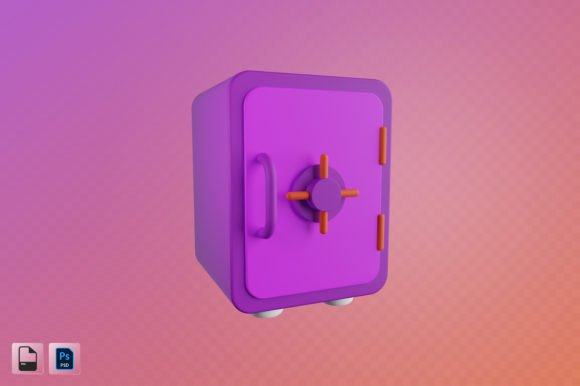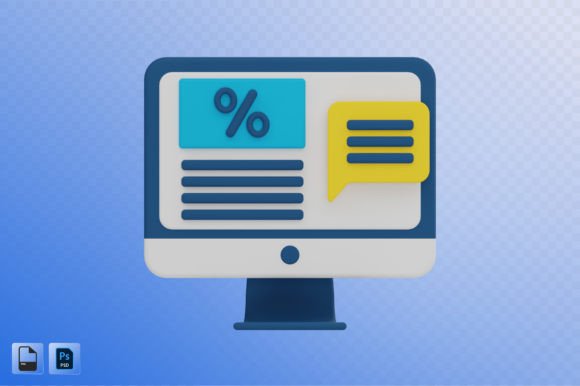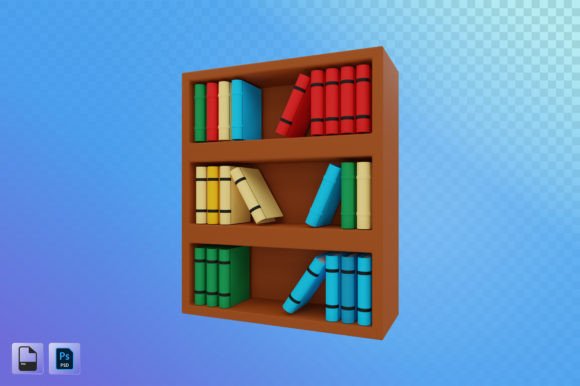
Library 3D Illustration: A Versatile Resource for Modern Design Projects
As digital design continues to evolve, professionals across industries are seeking tools and assets that enhance visual storytelling and user engagement. One such resource gaining traction is Library 3D Illustration, a collection of high-quality three-dimensional visuals optimized for various creative applications. These illustrations offer designers a ready-to-use solution that can be integrated into UI/UX projects, mobile apps, web design, presentations, posters, social media campaigns, and more.
What Is Library 3D Illustration?
A Library 3D Illustration typically refers to a curated set of 3D graphic elements created using advanced modeling software. These illustrations are rendered in detail, often available in multiple file formats like PSD and PNG, and come in high resolution—such as 2000x2000 pixels—to ensure clarity and scalability. The library format allows users to access a variety of pre-made assets, saving time on custom creation while maintaining a consistent visual style.
These illustrations are commonly used to represent abstract concepts, illustrate user interfaces, or add depth and realism to marketing materials. They are especially valuable when a project requires a polished look without the investment of in-house 3D design work.
Why Use a 3D Illustration Library?
Designers and content creators often turn to 3D illustration libraries for several key reasons:
- Time Efficiency: Instead of building each asset from scratch, you can pull from an existing library of professionally crafted illustrations.
- Cost-Effectiveness: Licensing a 3D illustration is usually less expensive than hiring a 3D artist for custom work.
- Consistency: Many libraries follow a cohesive art style, making it easier to maintain brand identity across different platforms.
- High Quality: With resolutions up to 2000x2000 px, these illustrations are ideal for both digital and print use.
Benefits of Using a 3D Illustration Library
The advantages of incorporating a 3D illustration library into your workflow are numerous:
- Ready-Made Assets: Access a broad range of illustrations that can be applied immediately to your design needs.
- Flexibility in Formats: Receiving files in both PSD and PNG formats gives you control over how you edit and implement them.
- Adaptability: Whether you're working on app screens, website banners, or promotional posters, these illustrations adapt well to different contexts.
- Enhanced Visual Appeal: 3D illustrations bring a sense of realism and dynamism that flat graphics sometimes lack, helping to capture attention and convey complex ideas effectively.
Considerations Before Choosing a 3D Illustration Library
While there are clear benefits, it's important to consider potential limitations before committing to a 3D illustration library:
- Licensing Terms: Confirm whether the library offers commercial use rights, and if there are any restrictions based on industry or platform.
- Customization Limits: Some illustrations may not fully align with your specific design vision, requiring additional editing or layering.
- Storage and Organization: Managing a large number of 3D assets may require a robust system to avoid clutter and inefficiency.
- Technical Requirements: If you need to modify the illustrations heavily, having access to vector-based files (like PSD) is essential for flexibility.
When a 3D Illustration Library Is a Strong Fit
There are several scenarios where leveraging a 3D illustration library makes strategic sense:
UI/UX and App Design
In user interface design, 3D illustrations help create immersive experiences. They can depict product features, guide user interactions, or serve as background elements that add visual interest without overwhelming the interface. Their high-resolution nature ensures they remain sharp even on retina displays.
Web Design and Landing Pages
For websites that aim to stand out in a competitive market, 3D illustrations provide a modern aesthetic. They are particularly useful for hero sections, infographics, and interactive elements, contributing to better user retention and engagement.
Presentations and Marketing Materials
Whether preparing a pitch deck or designing a poster, 3D illustrations can make information more digestible and visually compelling. Their versatility allows them to be scaled and adjusted to fit various layouts and screen sizes.
Social Media Advertising
With the rise of visually driven platforms like Instagram, Facebook, and LinkedIn, brands benefit from using 3D illustrations to create eye-catching ads. These assets can be layered and animated to suit dynamic ad formats and carousel posts.
Content Creation and Branding
Content creators and marketers looking to build a strong visual brand can use 3D illustrations to maintain a unified style across all touchpoints—from blog headers to email templates. This consistency helps reinforce brand recognition and professionalism.
When Alternatives Might Be Better
Although a 3D illustration library is powerful, there are situations where alternative resources might be more appropriate:
- Need for Full Customization: If your project demands highly tailored visuals that aren't available in standard libraries, investing in custom 3D design could be necessary.
- Budget Constraints: While cost-effective compared to custom work, some libraries may still exceed your budget for smaller or one-time projects.
- Low-Fidelity Prototypes: For early-stage wireframes or mockups, simpler line drawings or flat icons might suffice and load faster.
- Performance Considerations: High-resolution 3D assets can increase file size, which might affect loading times on mobile devices or slow internet connections.
Practical Tips for Selecting and Using 3D Illustrations
To determine whether a 3D illustration library aligns with your goals, consider the following insights:
- Evaluate Your Project Scope: Determine how many unique visuals you'll need and whether the library has enough variety to cover your requirements.
- Check File Compatibility: Ensure the provided formats (e.g., PSD, PNG) integrate smoothly with your design tools and workflows.
- Assess Style and Theme: Review sample illustrations to confirm they match your brand’s tone and target audience's preferences.
- Test Across Platforms: Before finalizing, test the illustrations in their intended environments—mobile, desktop, print—to verify quality and usability.
- Plan for Future Scalability: Choose a library that allows for easy updates and additions as your design needs evolve over time.
Expectations and Realistic Outcomes
It's important to manage expectations when using a 3D illustration library. These assets are designed to be plug-and-play solutions but may require some level of adaptation. Expect to spend time adjusting colors, lighting, or perspective to fit your design context. However, the tradeoff is significant: you gain professional-grade visuals without the need for extensive in-house 3D design expertise.
Additionally, while the availability of both PSD and PNG files enhances flexibility, it also means you’ll need proficiency in photo editing software to maximize customization. If your team lacks this skillset, factor in the learning curve or consider outsourcing minor edits.
Final Thoughts
Library 3D Illustration is a valuable tool for anyone involved in digital or print design. It bridges the gap between stock images and custom 3D models by offering high-quality, scalable assets at a fraction of the cost. When used appropriately, these illustrations can elevate the visual appeal of your projects and streamline the design process.
However, success depends on careful evaluation of your needs, the library's offerings, and your team's technical capabilities. By considering these factors upfront, you can decide whether a 3D illustration library is the right choice—or if another type of visual resource would better serve your goals.