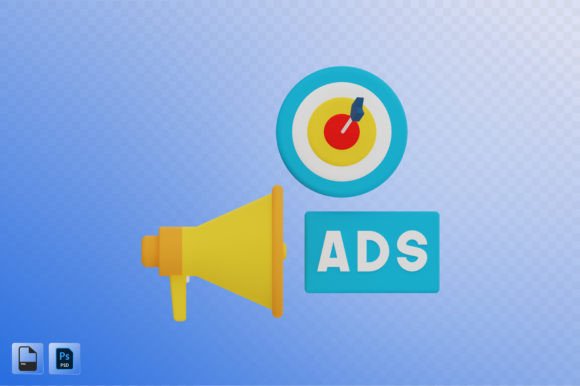
Video Advertising 3D Illustration: Boost Your Creative Projects
In today’s fast-paced digital world, standing out is more important than ever. Whether you're a designer, marketer, or content creator, the need for visually compelling and high-quality assets can’t be overstated. That's where Video Advertising 3D Illustration comes into play. This powerful visual tool offers an innovative way to bring your ideas to life with depth, clarity, and professionalism.
What Is Video Advertising 3D Illustration?
Video Advertising 3D Illustration refers to the use of three-dimensional graphics in promotional videos and other marketing materials. Unlike traditional 2D illustrations, 3D versions add dimensionality, perspective, and realism that make visuals more engaging and memorable. These illustrations are often used as standalone elements or integrated into motion graphics to explain complex concepts or showcase products in an appealing manner.
Why It Matters for Modern Designers and Marketers
With audiences constantly bombarded by content, it's essential to capture attention quickly and effectively. A well-crafted 3D illustration can do just that. It helps create a strong first impression, supports storytelling, and adds a layer of sophistication to any project—whether it's a mobile app interface, a website layout, or a social media ad campaign.
Practical Benefits of Using 3D Illustrations in Video Advertising
Here’s how integrating Video Advertising 3D Illustration can enhance your work:
Enhanced Visual Communication
3D illustrations help simplify complex information by making it more digestible and relatable. For example, when explaining a new app feature through a video, using 3D visuals allows users to visualize how the feature works within the app's environment. This kind of clarity is especially valuable in tutorials, product demos, and explainer videos.
Increased Engagement and Retention
Studies show that viewers retain more information from content that includes dynamic and realistic visuals. In a presentation or educational video, adding 3D illustrations can increase viewer engagement by up to 40%. The added realism keeps people interested longer and makes the message stick better.
Time Efficiency and Flexibility
Designers working on multiple platforms—such as web, app, or print—often face tight deadlines. With high-resolution 3D illustrations (3000x3000 px), you get assets that scale perfectly across all mediums without losing quality. Plus, having both PSD and PNG files gives you the flexibility to edit or integrate them seamlessly into different design workflows.
Creative Freedom Without Compromise
Traditional photography or stock images may not always match your creative vision. 3D illustrations allow you to customize every detail—from color schemes to lighting and camera angles. This means you can maintain brand consistency while pushing the boundaries of your creativity. For instance, a UI designer might use a 3D icon to represent a unique feature in their app, ensuring it aligns with the overall aesthetic and user experience goals.
Cost-Effective Solution for Diverse Needs
Producing custom illustrations for various advertising formats can be expensive if done manually. However, using pre-designed 3D illustrations for video advertising cuts down on production costs significantly. You can reuse these visuals across posters, websites, presentations, and even social media ads, maximizing your return on investment.
Who Can Benefit Most from 3D Illustrations in Video Advertising?
Several professions and industries can leverage this technique to improve their output:
- App Developers and UI/UX Designers: Use 3D illustrations to demonstrate app functionality, highlight key features, or create interactive prototypes.
- Web Designers: Incorporate 3D elements into landing pages or infographics to enhance user experience and guide attention effectively.
- Marketing Professionals: Create eye-catching social media ads or video campaigns that stand out in crowded feeds.
- Content Creators and Bloggers: Add visual interest to articles or YouTube videos with 3D animations that break down topics in a fun and informative way.
- Small Business Owners: Showcase products or services in a professional yet affordable manner, ideal for startups or local brands looking to grow their online presence.
- Presenters and Educators: Improve slide decks with 3D visuals that help convey abstract ideas in a tangible format.
Real-World Applications of 3D Illustrations
Let’s explore some practical scenarios where 3D illustrations have made a real difference:
Explaining Product Features Visually
A tech company launching a new smartwatch can use 3D illustrations in their promotional video to show the device’s design and features. Instead of listing specs in text, they can animate the watch, highlighting its screen resolution, battery life, and health tracking capabilities. This method simplifies understanding and builds trust with potential customers.
Creating Interactive App Demos
Freelance developers often struggle to present their app ideas effectively during pitches. By using a Video Advertising 3D Illustration, they can simulate the app interface and show how each element interacts. This approach not only impresses clients but also makes it easier to gather feedback and iterate on the design.
Designing Eye-Catching Social Media Content
On platforms like Instagram or LinkedIn, static images can fade into the background. But a short video using 3D illustrations grabs attention instantly. Imagine a fitness influencer creating a post that uses animated 3D visuals to demonstrate proper form during a workout. Such content is not only informative but also highly shareable.
Improving Website Conversions
For e-commerce sites, using 3D illustrations to showcase products can lead to higher conversion rates. Potential buyers get a clearer idea of what they’re purchasing, which reduces hesitation and cart abandonment. A 3D illustration of a chair, for example, can rotate to show different angles and materials, helping customers make informed decisions.
Choosing the Right 3D Illustration for Your Project
Not all 3D illustrations are created equal. To ensure they meet your needs, consider the following factors:
- Resolution and File Format: Look for illustrations with at least 3000x3000 pixels resolution. Having access to both PSD and PNG files ensures compatibility with most editing tools and platforms.
- Style and Tone: Choose visuals that match your brand identity and target audience. A playful 3D character might suit a kids’ app, while a sleek, modern illustration would fit better with a corporate presentation.
- Use Case Alignment: Make sure the illustration fits the intended purpose. A poster may require bold, flat-style visuals, whereas a web banner could benefit from subtle shadows and textures.
- Editing Capabilities: PSD files allow for detailed customization, so if you plan to tweak the illustration, opt for those. PNGs are great for quick integration into final designs.
When to Compare Options
While 3D illustrations offer many advantages, they aren't always the best choice. If your project requires ultra-realistic product shots or live-action footage, comparing options like 3D rendering, photo shoots, or animation may be necessary. Always evaluate based on budget, timeline, and the specific requirements of your platform or medium.
How to Integrate 3D Illustrations Into Your Workflow
Once you’ve selected the right illustration, the next step is incorporating it into your project. Here are a few tips to help you make the most of your assets:
- Layer Smartly: Since you’ll receive PSD files, take advantage of layers to adjust colors, backgrounds, or effects without damaging the original artwork.
- Optimize for Each Platform: Resize and crop the illustrations appropriately for different channels. For example, a full-sized poster illustration won’t work well as a square social media image unless adjusted.
- Animate for Impact: Many 3D illustrations can be turned into simple animations for video projects. Even a rotating view of a product can make a significant difference in perceived value.
- Maintain Consistency: Use the same illustration style across all your branding materials to reinforce recognition and build a cohesive visual identity.
Thoughtful Recommendations for Getting Started
If you're new to using 3D illustrations, start small. Try incorporating one or two into your next project to see how they perform. As you become more comfortable, you can expand your use cases. Here are a few recommendations:
- Use 3D illustrations in your portfolio to showcase your ability to work with advanced design tools.
- Test different styles to find what resonates best with your audience before committing to a large batch.
- Collaborate with animators or motion designers to turn static 3D illustrations into engaging video content.
- Keep a library of reusable 3D assets to speed up future projects and reduce design time.
Tools and Techniques to Complement 3D Illustrations
To maximize the impact of your 3D illustrations, pair them with complementary design techniques:
- Minimalist Layouts: Let the illustration shine by keeping the surrounding design clean and uncluttered.
- Subtle Transitions: In video content, smooth transitions between scenes with 3D elements can enhance the flow and make the video feel more polished.
- High-Quality Textures: When editing PSD files, apply textures carefully to avoid overcomplicating the design.
- Responsive Sizing: Ensure your illustrations look sharp on all devices, especially mobile, which dominates much of today’s digital consumption.
The Future of 3D in Advertising and Design
As technology evolves, so does the role of 3D in design and advertising. From AR-integrated billboards to immersive web experiences, 3D illustration is becoming a cornerstone of modern visual communication. Early adopters are already seeing benefits in terms of engagement, brand perception, and customer interaction.
Investing in Video Advertising 3D Illustration isn’t just about aesthetics—it's about delivering value efficiently. These illustrations support a wide range of creative goals and are versatile enough to adapt to changing trends. Their high resolution and editable file formats make them ideal for professionals who need reliable, scalable assets for diverse applications.
Final Thoughts
Whether you're designing for an app, a website, or a marketing campaign, 3D illustrations for video advertising can elevate your work in meaningful ways. They provide a balance between artistry and utility, enabling you to communicate ideas clearly while maintaining a high level of visual appeal. As long as you understand your audience and align the visuals with your goals, 3D illustrations can be a powerful asset in your creative toolkit.