3D Credit Card Illustration: A Powerful Visual Tool for Finance
In the world of finance and banking, visual communication plays a crucial role in capturing attention and conveying complex ideas with clarity. One of the most versatile and impactful tools available is the 3D credit card illustration. These high-quality, scalable vector graphics offer a modern and professional representation of credit cards that can be adapted to suit a wide range of design needs. Whether you're promoting a new financial product, creating educational content, or designing marketing materials, a 3D isometric credit card illustration can help you stand out while maintaining a clean and polished aesthetic.
What Is a 3D Credit Card Illustration?
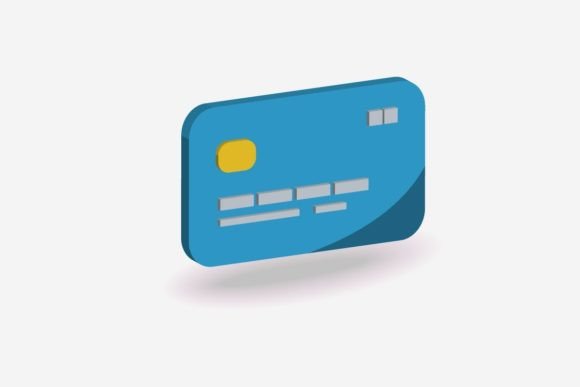
A 3D credit card illustration is a digital artwork that depicts a credit card in three dimensions. Unlike flat designs, these illustrations provide depth, perspective, and realistic textures that make the card appear tangible. Typically created using Adobe Illustrator or similar vector-based software, they are rendered in formats like EPS 10, which allows for full scalability and editing without losing quality. The use of red, white, and yellow color schemes in such illustrations adds vibrancy and contrast, making them ideal for promotional and branding activities in the finance sector.
Key Characteristics of 3D Credit Card Vector Graphics
- Scalability: Being vector-based, these illustrations maintain sharpness at any size, from mobile screens to large billboards.
- Editability: EPS 10 files support layer access, enabling designers to modify colors, text, and other elements easily.
- Isometric Style: This popular 3D technique offers a balanced view from multiple angles, enhancing realism without appearing cluttered.
- High Resolution: Perfect for print and digital media, ensuring crisp visuals on all platforms.
- Brand Consistency: Customizable to reflect your company's color scheme, fonts, and logo for a cohesive brand image.
Why Use 3D Credit Card Illustrations in Financial Promotions?
Financial services often deal with abstract concepts—interest rates, rewards programs, transaction security. A 3D credit card illustration can simplify these ideas by providing a concrete visual reference. It helps users quickly understand what you're offering and builds trust through professionalism and detail.
For example, when launching a new credit card with unique features, an isometric illustration can showcase the card’s design alongside key benefits such as cashback percentages or travel rewards. This not only grabs attention but also makes the information more digestible and memorable.
Strengths That Set 3D Illustrations Apart
- Visual Appeal: The 3D effect adds sophistication and draws the eye naturally, making it easier to highlight important details.
- Flexibility: Designers can tweak the illustration to match campaign themes, seasonal updates, or brand repositioning efforts.
- Cross-Platform Compatibility: Works seamlessly across websites, brochures, social media posts, and presentations.
- Time Efficiency: Using a pre-designed editable vector file saves hours of custom artwork creation time.
Real-World Applications Across Industries
The versatility of a 3D isometric credit card illustration means it can serve many purposes beyond just advertising. Here are some practical scenarios where it proves invaluable:
Marketing and Advertising
Marketers often use these illustrations in banners, flyers, and landing pages to promote credit card offers. For instance, a fintech startup might feature a glowing 3D credit card in a campaign highlighting their secure payment gateway, using bold red accents to evoke urgency and trust.
Educational Materials
When teaching personal finance or entrepreneurship, educators can incorporate 3D credit card visuals into slides or infographics. A clear, stylized illustration helps explain topics like credit scores, interest calculations, or online payment processes in an engaging way.
Digital Content Creation
Bloggers and content creators benefit from using 3D credit card images to enhance tutorials or reviews. A post comparing different credit card types becomes more informative and visually appealing when accompanied by accurate isometric renderings that clearly show each card’s features.
Product Launch Presentations
Business owners preparing to unveil a new credit card can use 3D illustrations during pitches to investors or stakeholders. These visuals allow for a smooth transition between concept and execution, helping to communicate value propositions effectively.
Website UI/UX Design
Websites that require user interaction with credit card data—such as e-commerce platforms or subscription services—can integrate subtle 3D illustrations to guide users through the process. This improves user experience by reducing cognitive load and increasing confidence in the system.
Design Considerations for Effective Use
To get the most out of your 3D credit card illustration, consider the following tips:
- Color Coordination: Ensure the red, white, and yellow palette aligns with your brand identity. These colors are vibrant and attention-grabbing, perfect for standing out in a crowded market.
- Contextual Placement: Use the illustration in ways that complement the message. Avoid overuse; let it highlight key points rather than distract from them.
- Layer Accessibility: Choose an EPS 10 file format so you can adjust individual components like the chip, text, or background as needed.
- Resolution Check: Always verify that the illustration meets the resolution requirements for its intended platform, whether digital or print.
Choosing the Right File Format
Adobe Illustrator (.ai) and Encapsulated PostScript (EPS 10) files are preferred for 3D credit card illustrations due to their editability. These formats preserve vector integrity, allowing for precise scaling and adjustments. In contrast, raster formats like JPEG or PNG may lose quality when resized, especially for high-end printing or large-scale displays.
Enhancing Brand Communication Through Visual Design
Branding in finance requires a balance between trustworthiness and innovation. A well-crafted 3D credit card illustration bridges this gap by presenting a modern look while maintaining the seriousness expected in financial contexts. When used consistently across promotional channels, it reinforces brand recognition and builds customer familiarity.
Imagine a bank introducing a premium platinum credit card. By embedding a 3D illustration featuring a metallic finish and subtle animations in their email newsletter, they can create a sense of exclusivity and luxury. This approach not only elevates the design but also communicates the product’s value effectively.
Customization Tips for Maximum Impact
- Use layer styles to add gradients or highlights for a more dynamic appearance.
- Overlay your logo or promotional text directly onto the card to reinforce messaging.
- Experiment with lighting effects to give the illusion of movement or focus.
- Match the illustration style with other 3D assets in your project for a unified design language.
Improving User Engagement with Visual Storytelling
Engagement in digital marketing hinges on how quickly users can connect with the content. A 3D credit card illustration can tell a story without words. For example, placing the card in a scene with a laptop, smartphone, and shopping cart conveys ease of digital transactions and lifestyle benefits.
This form of visual storytelling is particularly effective in infographics, explainer videos, and social media carousels. Users don’t need to read long explanations—they can grasp the value instantly through imagery.
Practical Examples of Use Cases
- Email Campaigns: Embedding a 3D illustration in a welcome email introduces a new card product in a visually striking way.
- Mobile App Interfaces: Using a simplified version of the illustration can guide users through sign-up steps or explain features like contactless payments.
- Print Collateral: Brochures and posters gain a competitive edge with lifelike depictions of credit cards.
- Social Media Posts: A short video showing a rotating 3D card can generate curiosity and shares among followers.
Maximizing Productivity with Pre-Built Assets
As a designer or marketer, time is one of your most valuable resources. Starting from scratch for every project isn't always feasible. That’s where ready-made 3D credit card illustrations come in handy. These assets streamline workflows and reduce the need for outsourcing or hiring freelance artists.
With an editable vector file, you can adapt the illustration for various campaigns without requiring extensive design expertise. Simply change the background, overlay promotional text, or swap out the card’s color scheme to match current trends or seasonal promotions.
Tools and Resources for Implementation
Adobe Illustrator remains the gold standard for working with vector illustrations. However, many free and paid design platforms now support EPS file imports, including Canva, Figma, and CorelDRAW. This accessibility makes it easier than ever to leverage 3D credit card illustrations, even if you're not a seasoned graphic designer.
Final Recommendations for Creative Professionals
If you're looking to incorporate a 3D isometric credit card illustration into your work, here are a few recommendations to keep in mind:
- Invest in high-quality, royalty-free vector assets from reputable design marketplaces.
- Test the illustration across different devices and screen sizes to ensure consistent visual performance.
- Combine it with minimalistic layouts to avoid overwhelming the viewer with too much information.
- Consider motion or interactive versions for web and app use to boost engagement further.
Ultimately, the right 3D credit card illustration should feel like a natural extension of your message. It enhances understanding, builds credibility, and supports creative expression—all while being easy to implement and customize. As the finance industry continues to evolve, leveraging such visual assets will become increasingly important for staying relevant and connecting with audiences in meaningful ways.