Truck Shipping 3D Illustration: A Powerful Visual Tool for Designers and Content Creators
In the fast-paced world of design, marketing, and digital content creation, visual assets play a crucial role in capturing attention and conveying messages effectively. One such versatile resource is the Truck Shipping 3D Illustration, which offers high-quality, scalable visuals ideal for a wide range of applications. Whether you're working on UI/UX design, web development, app interfaces, presentations, posters, or social media campaigns, this illustration can be an invaluable addition to your toolkit.
What Is a Truck Shipping 3D Illustration?
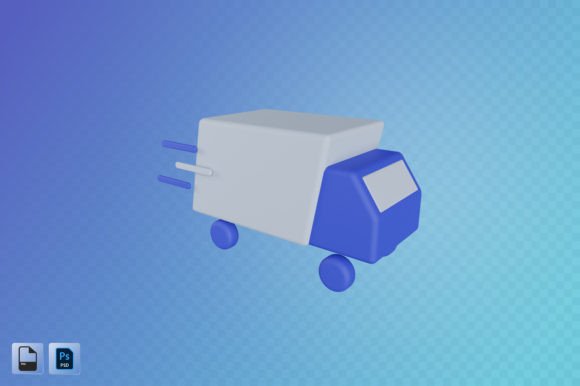
A Truck Shipping 3D Illustration is a digitally rendered image that showcases a truck involved in the transportation process, typically used to represent logistics, delivery services, freight movement, or supply chain concepts. Unlike traditional 2D graphics, 3D illustrations provide depth, perspective, and realism, making them stand out in both print and digital formats.
These illustrations are commonly delivered in file formats like PSD (Photoshop Document) and PNG, with a high resolution of up to 2000x2000 pixels. This ensures they maintain clarity when scaled for various uses—from mobile screens to large-format billboards.
Integration Into Creative and Business Workflows
The Truck Shipping 3D Illustration isn't just a static graphic; it's a flexible asset that can enhance multiple stages of a project. Here’s how professionals integrate it into their workflows:
- Pre-Project Planning: Use the illustration during brainstorming sessions or wireframing to visualize where a shipping-related graphic might appear in an interface or layout.
- During Development: Incorporate the illustration into prototypes, mockups, or design comps to refine aesthetics and user experience before finalizing a product.
- Post-Launch Optimization: Reuse the illustration in follow-up campaigns, case studies, or promotional materials to reinforce brand messaging or service offerings related to transportation and logistics.
Use Cases Across Industries
This type of illustration has broad applicability across several industries:
UI/UX and App Design
In app design, especially for logistics platforms or delivery services, a Truck Shipping 3D Illustration can serve as an engaging placeholder or icon. It helps users understand the purpose of a feature at a glance—like tracking shipments or scheduling pickups. The layered PSD format allows designers to customize colors, lighting, and elements easily to match brand guidelines.
Web Design and E-commerce
Websites focused on shipping, freight, or transportation often need strong visual cues to explain complex processes. A 3D truck illustration can break down these ideas visually, improving user comprehension and engagement. For e-commerce sites, it may be used in banners, infographics, or background imagery to support product categories like vehicle accessories or fleet management tools.
Presentation and Educational Materials
Whether presenting to stakeholders or teaching about supply chain management, 3D illustrations help simplify technical topics. They make abstract concepts tangible and are particularly useful in slideshows, whitepapers, or training modules where visual storytelling enhances learning outcomes.
Social Media and Advertising Campaigns
Marketers rely on eye-catching visuals to drive engagement. A Truck Shipping 3D Illustration can be repurposed for social media posts, ad creatives, or email newsletters to highlight themes like reliability, speed, or innovation in transport. Its high-resolution PNG format works well for platforms like Instagram, Facebook, or LinkedIn without losing quality.
Workflow Tips for Using 3D Truck Shipping Illustrations
To get the most from a Truck Shipping 3D Illustration, consider the following practical tips:
- Start with Clear Objectives: Define what message or idea the illustration should support. Will it guide navigation? Highlight a service? Or add visual interest to a page? Clarity here ensures better integration later.
- Choose the Right Format: If you plan to edit individual layers, go with the PSD version. For quick use in apps or websites, the PNG is more convenient due to its flat composition and transparency support.
- Maintain Consistency: Ensure the illustration aligns with your project’s color scheme, typography, and overall style. You can adjust hues and shadows in Photoshop to match your branding seamlessly.
- Optimize for Performance: When using in digital environments, compress the PNG appropriately without sacrificing quality. Large images can slow load times, affecting user experience and SEO performance.
- Organize Assets Efficiently: Store different versions (original, edited, optimized) in clearly labeled folders. This makes future revisions or reuse easier and keeps your creative process streamlined.
How It Works with Other Tools and Resources
The Truck Shipping 3D Illustration complements many existing tools and methods:
- Design Software: Easily imported into Adobe XD, Figma, Sketch, or Canva for further customization and placement within layouts.
- Content Management Systems (CMS): Ready-to-use PNG files fit perfectly into WordPress, Shopify, or Squarespace for website developers looking to add visual flair quickly.
- Print and Digital Platforms: High-resolution outputs ensure compatibility with print jobs and digital displays alike, maintaining quality across mediums.
- Team Collaboration: Shareable via cloud storage or design handoff tools like Zeplin or InVision, allowing smooth transitions between designers and developers.
Long-Term Usability and Quality Control
When investing in a 3D illustration, it’s important to consider its long-term value. A well-designed Truck Shipping 3D Illustration can be reused across multiple projects, reducing the need for custom artwork each time. However, maintaining consistent usage requires some oversight:
- Version Control: Track changes made to the illustration over time, especially if multiple team members are editing it. This prevents confusion and maintains visual consistency.
- Brand Alignment: Regularly review the illustration to ensure it still reflects your brand identity. As your business evolves, so should your visual assets.
- Storage and Accessibility: Keep all source files in a centralized location. Cloud-based design libraries like Adobe Asset Library or Google Drive can help manage access and updates efficiently.
Real-World Examples of Usage
Let’s explore a few scenarios where a Truck Shipping 3D Illustration proves beneficial:
Freight Company Website Redesign
A logistics company was redesigning its corporate site and wanted to emphasize its commitment to timely deliveries. The design team used the 3D truck illustration as part of an infographic explaining their delivery process. By layering text and icons around the truck, they created a clear and compelling visual narrative that guided users through the service steps.
Social Media Launch Campaign
An app developer preparing to launch a new delivery scheduling tool needed striking visuals for their pre-launch ads. They used the Truck Shipping 3D Illustration as the central element in a series of animated posts, showing the truck moving through different phases of delivery. The result was a cohesive campaign that boosted visibility and user interest significantly.
Product Packaging Design
A manufacturer of truck maintenance products included the 3D illustration in their packaging to immediately communicate the target audience and application. The realistic rendering helped customers identify the product’s purpose at a glance, leading to faster decision-making at the point of sale.
Planning and Execution Best Practices
For optimal results, integrate the Truck Shipping 3D Illustration thoughtfully into your planning and execution phases:
- Plan Ahead: Identify all potential use cases early in the project lifecycle. This avoids last-minute asset sourcing and ensures alignment with design goals.
- Edit Smartly: Make non-destructive edits using adjustment layers in Photoshop to preserve the original quality and allow for easy reversion if needed.
- Test Compatibility: Before finalizing, test the illustration on various devices and platforms to confirm it looks good and functions well in all intended contexts.
- Document Changes: Keep a record of any modifications made to the illustration. This documentation supports audits, revisions, and knowledge transfer among team members.
Why Choose a 3D Illustration Over Stock Images?
While stock photos offer real-world perspectives, 3D illustrations provide unique advantages:
- Customization: With layered PSD files, you can tweak every detail—color, texture, angle—to suit your specific needs.
- Consistency: 3D assets can be matched with other vector-based elements for a unified look and feel.
- Future-Proofing: As trends change, you can update the illustration rather than replacing it entirely, extending its usefulness over time.
- Unlimited Use: Unlike licensed stock images, a purchased 3D illustration can often be used freely across multiple projects without recurring costs.
Conclusion
The Truck Shipping 3D Illustration is more than just a graphic—it’s a strategic tool that supports clarity, creativity, and communication in diverse settings. From digital interfaces to printed collateral, it adds professional polish while being adaptable enough to meet evolving design needs. By understanding its place in your workflow and using it intentionally, you can elevate your projects and deliver impactful visual experiences to your audience.