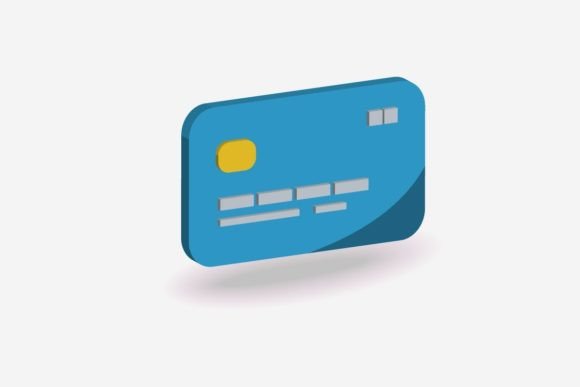
Credit Card 3D Illustration for Design and Marketing
A Credit Card 3D Illustration is a visually striking, three-dimensional representation of a credit card that can be used in various design contexts. Unlike flat images or basic vector graphics, a 3D illustration adds depth, texture, and realism to the visual elements. This makes it an excellent choice for anyone looking to enhance the appeal and professionalism of their digital or print projects.
Who Benefits from Credit Card 3D Illustrations?
Whether you're designing an app, crafting a website layout, preparing a presentation, or creating social media content, a Credit Card 3D Illustration can serve as a powerful visual tool. It's not just about making something look good—it’s about effectively communicating ideas, building trust, and capturing attention.
For Beginners: A Simple Yet Professional Tool
If you’re new to graphic design or UI/UX work, using a high-quality Credit Card 3D Illustration can help bridge the gap between your skill level and professional expectations. These illustrations are often pre-made with realistic lighting and shadows, allowing even beginners to create polished visuals without needing advanced 3D modeling skills.
- Use Case: Creating mockups for a personal finance blog or YouTube tutorial.
- Priority: Ease of use and quick integration into existing designs.
- Example: A beginner blogger might use the PNG version of the illustration to showcase how to apply for a credit card in a step-by-step guide.
For Professionals: Enhancing Brand Credibility and User Experience
Professionals in web design, branding, or marketing will find Credit Card 3D Illustrations useful for delivering high-end, client-ready visuals. They can simulate real-world interactions, like swiping a card through a reader or rotating a card in hand, which helps in showcasing products more authentically.
- Use Case: Developing user interface (UI) components for a financial app or e-commerce platform.
- Priority: Quality, scalability, and flexibility for custom edits.
- Example: A UX designer might layer the PSD file with brand colors and logos to prototype a payment gateway screen for a fintech startup.
For Content Creators: Eye-Catching Visuals That Engage Audiences
Content creators who focus on lifestyle, finance, or tech topics can benefit greatly from incorporating 3D illustrations into their posts or videos. The added realism can help explain complex concepts in a simple and engaging way.
- Use Case: Social media posts or infographic-style content about budgeting, rewards, or credit scores.
- Priority: Creativity and adaptability across platforms like Instagram, Pinterest, or LinkedIn.
- Example: A YouTuber could place the 3D illustration behind a video script explaining how to choose the best credit card for travel rewards.
For Educators: Teaching Financial Literacy Visually
Educators and trainers can leverage Credit Card 3D Illustrations to teach students or clients about financial tools and processes. The visual clarity helps learners grasp abstract concepts quickly and retain information better.
- Use Case: Presentations on personal finance, online banking security, or transaction processes.
- Priority: Educational value and clarity in conveying key points.
- Example: An economics teacher might use the illustration in a PowerPoint slide to demonstrate how contactless payments work in real life.
For Business Owners: Building Trust Through Visual Storytelling
Business owners—especially those in the financial sector—can use these illustrations to build credibility and simplify explanations for customers. Whether it’s for internal training materials or external promotional campaigns, a well-designed 3D image can make a big difference.
- Use Case: Landing pages, email newsletters, or customer support guides related to payment options.
- Priority: Commercial value and reliability for long-term use.
- Example: A small business owner might add the illustration to their checkout page to reassure customers about secure payment methods.
For Hobbyists and Freelancers: Flexibility and Learning Opportunities
Hobbyists and freelancers who enjoy experimenting with design software may appreciate the learning opportunities and creative freedom that come with working with 3D illustrations. The ability to edit layers in a PSD file allows them to customize the image while improving their technical skills.
- Use Case: Personal portfolio websites or freelance project proposals involving digital product design.
- Priority: Learning value and flexibility for creative expression.
- Example: A hobbyist designer might tweak the illustration to match their portfolio theme and share it on Behance or Dribbble.
Why Choose High-Resolution Credit Card 3D Illustrations?
The resolution of a Credit Card 3D Illustration plays a crucial role in its effectiveness. With a high-resolution format of 2000x2000 pixels, the image remains sharp and clear whether displayed on a large poster or a mobile device screen. This ensures that the illustration maintains its quality and detail across different mediums and sizes.
Key Advantages of High Resolution
- Clarity: Fine details such as embossed numbers, holograms, and textures remain visible at any scale.
- Print and Digital Versatility: Perfect for both high-quality print materials and responsive web designs.
- Professional Finish: Helps maintain a consistent and premium look in all deliverables.
Working with PSD and PNG Files
Depending on your needs, having access to both PSD and PNG files gives you control over how you use the Credit Card 3D Illustration. The PSD format is ideal for designers who want to modify individual layers, adjust colors, or integrate the illustration into other design elements. On the other hand, the PNG file provides a ready-to-use transparent background image suitable for quick edits or direct placement in layouts.
- PSD Users: Can easily personalize the illustration by editing text, background, or card features.
- PNG Users: Benefit from a clean, standalone image that blends well into presentations or advertisements.
How Different Roles Might Use Each File Type
Here’s how various users might approach the two file formats:
- App Developers: Use the PSD file to create interactive prototypes where users can visualize card inputs during sign-up or payment flows.
- Marketing Teams: Rely on the PNG file for fast ad creation, ensuring consistency in brand imagery across campaigns.
- Bloggers and Vloggers: May prefer the PNG for overlays in videos or infographics, keeping things straightforward and impactful.
Real-World Applications Across Industries
Credit Card 3D Illustrations aren’t limited to one field—they can be adapted for multiple purposes depending on the industry or audience. Here are some common applications:
UI/UX Design
In user interfaces, especially for apps that involve financial transactions, showing a realistic credit card improves the user experience. It helps users understand where to input data and what to expect when they interact with the system.
Web Design and E-Commerce
Online stores and financial services often use these illustrations to show payment options or to highlight secure transactions. A well-integrated 3D image can subtly increase consumer confidence in the platform.
Presentations and Reports
When presenting to stakeholders or clients, using a Credit Card 3D Illustration can break up text-heavy slides and illustrate financial processes in a more digestible manner. For example, a pitch deck for a new mobile banking feature might include a rotating card to demonstrate ease of use.
Social Media Advertising
Marketers can use these visuals in ads to grab attention quickly. A vibrant 3D illustration of a credit card with bold colors and dynamic angles can stand out in a crowded feed and encourage engagement.
Posters and Print Materials
Whether it’s a poster promoting a credit card offer or an infographic explaining interest rates, the high-resolution 3D illustration ensures the printed piece looks crisp and professional, even from a distance.
Identifying If Credit Card 3D Illustrations Fit Your Needs
Before committing to a Credit Card 3D Illustration, consider your goals and the nature of your project. Ask yourself the following questions:
- Do I need a realistic visual to represent a credit card in my design?
- Will this illustration be part of a larger UI/UX component or a standalone graphic?
- Am I targeting an audience that values aesthetics and modern design?
- Do I require transparency or layer customization for my workflow?
If you answered yes to any of these, then a Credit Card 3D Illustration could be a valuable asset. Its versatility makes it suitable for both casual and commercial use, and the availability of multiple file types ensures compatibility with a wide range of design tools and platforms.
Examples Based on Project Types
Let’s say you’re a marketer launching a new credit card promotion. You might use the PNG file in a Facebook ad to show off the card’s unique features. Meanwhile, a web developer working on a payment portal would likely open the PSD file in Photoshop to align the illustration with the site’s color scheme and branding.
An educator creating a course on financial literacy might embed the illustration in a PDF manual to help students visualize how credit cards function in daily transactions. And a content creator producing a TikTok video on budgeting tips could overlay the illustration to demonstrate how different cards affect spending habits.
Conclusion
A Credit Card 3D Illustration isn’t just a pretty picture—it’s a functional and adaptable design element that meets the needs of diverse professionals and creators. Whether you're illustrating a process, building a prototype, or enhancing a presentation, the right 3D illustration can elevate your message and make your content more engaging.
With options like high-resolution PNGs and layered PSD files, it’s easier than ever to incorporate a realistic credit card image into your work. So if you're looking to improve the visual appeal and clarity of your next project, consider how a Credit Card 3D Illustration might fit into your toolkit.