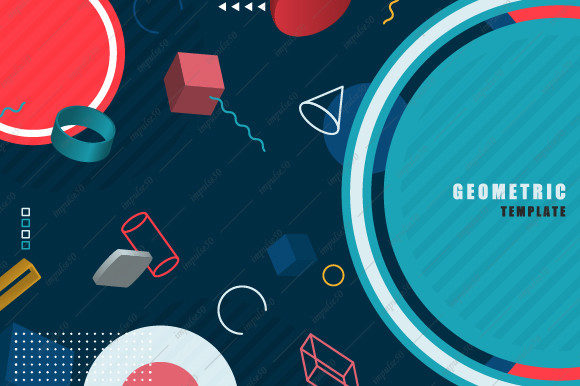
Integrating Abstract Geometric Pattern Design Style Into Modern Workflows
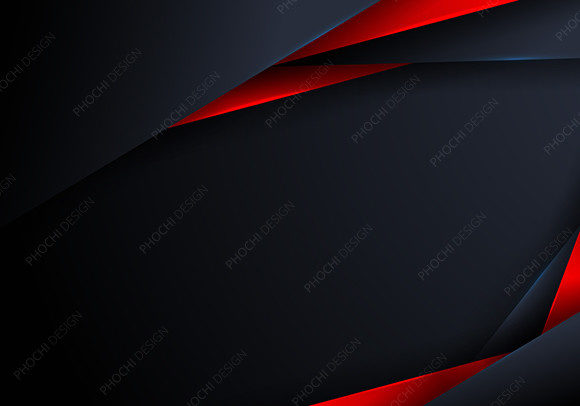
The Abstract Geometric Pattern Design Style is a versatile and visually compelling approach that uses non-representational shapes, lines, and colors to create striking designs. This style is particularly well-suited for branding, web design, print media, and creative projects where minimalism meets structural complexity. When combined with a 3D structure background, the result is a dynamic visual layer that adds depth without overwhelming the viewer. The use of pure vector formats ensures scalability and adaptability across different platforms and mediums.
Understanding the Role of Abstract Geometric Patterns in Design
At its core, an abstract geometric pattern is more than just a decorative element—it's a strategic tool. These patterns are often used to establish mood, convey brand identity, or enhance the aesthetic appeal of digital or physical assets. Their structured yet imaginative nature allows them to serve as both a backdrop and a focal point, depending on how they're implemented.
In professional workflows, especially within graphic design and marketing, abstract geometric patterns can be employed at various stages. Before a project begins, they may help define a visual direction. During development, they can act as placeholders or guides. After finalization, they support consistency across multiple deliverables.
Use Cases Across Different Industries
Here’s how this design style can be integrated into diverse scenarios:
- Branding: Use abstract geometric patterns to craft unique logos or backgrounds that reflect a brand’s modern and innovative identity.
- Web & UI Design: Incorporate these patterns into hero sections, loading screens, or hover effects to add visual interest without cluttering the interface.
- Print Media: Apply them in brochures, packaging, or posters to evoke a sense of professionalism and creativity.
- Interior Design: Utilize them for digital mockups or promotional materials to showcase spatial concepts with a contemporary flair.
- Education & Presentations: Integrate into slide decks or learning resources to make complex information more engaging and digestible.
Pre-Project Integration
Before launching a new creative venture, consider using abstract geometric pattern design artwork templates to explore color palettes, layout structures, and overall aesthetics. These templates offer a foundation that you can customize to align with your vision. For example, a marketer might begin by selecting a template with a 3D structure background to visualize how a campaign theme could look in both digital and printed forms.
Durational Application in Projects
During the execution phase, abstract geometric patterns provide flexibility. A designer working on a website might adjust the size, shape, and color of the pattern to match evolving user feedback or brand guidelines. Because the artwork is in pure vector format, changes can be made quickly and without loss of quality. This adaptability makes it ideal for agile workflows where adjustments are frequent and necessary.
Additionally, when working in teams, these files—available in ZIP format with EPS10 and JPEG options—can be shared seamlessly. The absence of watermarks ensures that collaborators can work freely with the original content, while the high-resolution (300 dpi) JPEG supports quick previews and client presentations.
Post-Implementation Benefits
Once the primary project is complete, the same pattern can be repurposed for related tasks. For instance, a logo created using an abstract geometric pattern can later be adapted into social media assets, email headers, or mobile app interfaces. Maintaining consistency across all touchpoints strengthens brand recognition and enhances user experience.
Workflow Optimization with Abstract Geometric Pattern Templates
To leverage these templates effectively, consider the following practical steps:
- Define Purpose: Start by identifying where the pattern will be used. Is it for a logo, background, or interactive element? Knowing the purpose helps in choosing the right complexity and color scheme.
- Select Template Format: Choose between EPS10 for scalable editing and JPEG for quick viewing. Both are available without watermark, ensuring full creative control.
- Customize Carefully: Adjust the pattern’s elements using vector software like Adobe Illustrator or Inkscape. Focus on maintaining balance and harmony even after customization.
- Test Compatibility: Ensure the pattern works well with other design assets such as typography, photographs, or icons. Test it across devices and print outputs to verify usability.
- Archive and Organize: Store customized versions in a structured digital asset management system for easy retrieval and long-term use.
By embedding these practices into your workflow, you ensure that your use of abstract geometric pattern design artwork remains efficient and impactful throughout the project lifecycle.
Combining With Other Tools and Resources
These patterns don’t exist in isolation. They integrate smoothly with tools such as Canva, Figma, and Adobe Creative Cloud. For developers, exporting vector files into SVG format can allow for seamless integration into web projects via CSS or JavaScript animations. Additionally, using pattern libraries or asset management platforms can streamline the process of reusing and updating these visuals across campaigns or product lines.
For educators and bloggers, pairing abstract geometric patterns with infographics or data visualization tools can enhance the storytelling aspect of content. The clean lines and bold contrasts typical of this style complement charts and diagrams, making complex data easier to interpret.
Collaboration and Client Communication
When presenting to clients or stakeholders, having a high-quality JPEG version of the pattern provides immediate clarity. Meanwhile, the editable EPS10 file allows for revisions based on feedback. This dual-format approach fosters better communication and ensures that expectations are aligned early in the process.
Sharing these files among team members also becomes less cumbersome due to their compact and compatible nature. Version control is simplified, reducing the risk of inconsistencies and errors during implementation.
Practical Tips for Implementation
Here are some insights to help you implement abstract geometric pattern design effectively:
- Start Simple: Begin with basic shapes and build complexity gradually. Overloading a design can detract from its intended minimalist feel.
- Balance Structure and Flow: Even though the design is geometric, aim for a composition that feels organic and uncluttered. Avoid symmetry if it doesn’t suit the context.
- Use Color Thoughtfully: Stick to a limited color palette to maintain focus and reduce cognitive load. However, don’t hesitate to experiment with gradients or subtle transparency for added depth.
- Optimize for Resolution: Since the artwork is already provided at 300 dpi, ensure that any modifications do not compromise the resolution. Keep vector layers intact for future edits.
- Document Customizations: Track which elements were altered and why. This documentation is invaluable for updates, audits, or handing off the project to another designer.
Real-World Workflow Example
Imagine a freelance designer tasked with creating a landing page for a tech startup. They might start by downloading an abstract geometric pattern design template with a 3D structure background. Using Adobe Illustrator, they adjust the colors to match the startup’s brand guidelines and scale the pattern to fit the header section of the site.
Next, they export the modified pattern in both JPEG and SVG formats. The JPEG is used for initial client reviews, while the SVG is embedded directly into the site for responsive scaling. As the project evolves, they reuse the pattern in PowerPoint slides and social media banners, demonstrating the value of a consistent design language.
Ensuring Long-Term Use and Quality Control
Design consistency is key to long-term success. Establish a naming convention for saved versions of your pattern to avoid confusion. Maintain a master file with all original vectors and layers for future reference or rebranding efforts.
Regularly review the pattern’s performance in different contexts. Does it hold up in small sizes? How does it interact with dark mode settings or print environments? These considerations ensure that the design remains effective and relevant over time.
Storage and Organization Best Practices
Organizing your abstract geometric pattern assets should follow industry-standard practices. Store them in cloud-based repositories like Google Drive, Dropbox, or specialized DAM systems. Categorize them by use case, date, and version to streamline access. Including metadata—such as resolution, format type, and intended application—can further improve searchability and usability.
Consider setting up a version control system if you’re frequently updating the pattern for ongoing projects. Platforms like GitHub or Bitbucket can be useful for tracking changes and collaborating with others who might need to modify the design later.
Why Choose Vector-Based Abstract Geometric Patterns?
Vector graphics are inherently scalable, making them perfect for responsive design and cross-platform compatibility. Unlike raster images, they retain sharpness regardless of size, which is crucial for high-resolution displays and large-scale prints. The pure vector format of these patterns ensures that every line and shape remains editable, offering unmatched flexibility.
This format also supports faster rendering times in design software and web applications. It’s lightweight compared to layered PSDs or complex PDFs, allowing for quicker processing and easier sharing. Whether you're designing for a smartphone screen or a billboard, the resolution and clarity remain intact.
Color and Shape Flexibility
One of the most significant advantages of these templates is the ability to adjust colors and shapes according to specific needs. This is particularly beneficial for freelancers or small businesses that want to tailor the design to seasonal themes, product launches, or personal preferences.
For example, a blogger might use one pattern for a winter newsletter and change the color scheme to pastels for spring. The underlying structure remains the same, but the visual tone shifts to reflect the season. This level of adaptability keeps the design fresh and relevant without requiring a complete overhaul each time.
Final Thoughts on Practical Adoption
Adopting the abstract geometric pattern design style isn't about chasing trends—it's about building a cohesive and adaptable visual strategy. Whether you're a marketer looking to revamp a campaign or a developer seeking a clean UI element, these templates provide a solid starting point. Their combination of minimalism and 3D depth offers a unique way to communicate ideas, reinforce branding, and elevate the visual hierarchy of any project.
With thoughtful planning and organization, you can weave these patterns into your existing workflows without disruption. The availability of editable vector files and high-resolution JPEGs ensures that your creative process remains flexible and efficient. By focusing on practical integration rather than isolated use, you maximize the potential of this design style across your work.