Integrating the 3D Sombrero SVG Layered Design into Creative and Production Workflows
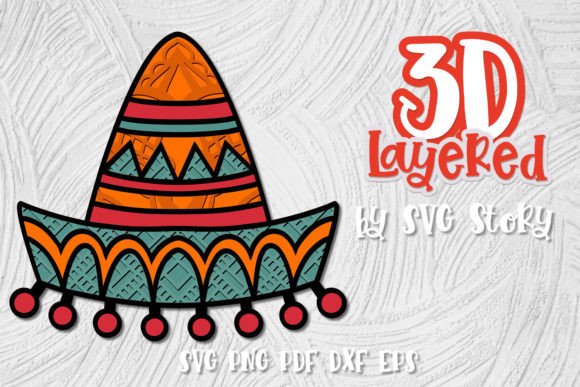
The 3D Sombrero SVG Layered Design is a versatile digital asset tailored for creators who work with cutting machines or design software. Whether you're an entrepreneur crafting custom merchandise, a hobbyist exploring DIY projects, or a designer preparing files for print or laser cutting, this layered design offers precision, flexibility, and creative potential. Its compatibility with multiple file formats—SVG, EPS, DXF, PNG, and PDF—ensures that it can be easily adapted to various tools and stages of a project.
Understanding the Components of the 3D Sombrero SVG Layered Design
The 3D Sombrero SVG Layered Design includes several key components in one downloadable zip archive:
- SVG Files: Ideal for use with most modern cutting machines like Cricut, Silhouette, and ScanNCut. These vector-based files allow for scalable and clean cuts.
- EPS Files: Preferred by professional designers for their high quality and editability in Adobe Illustrator and similar software.
- DXF Files: Useful for CNC routers, laser cutters, and other industrial-grade equipment that require precise vector paths.
- PNG Files: Provide a transparent background image, suitable for printing, embroidery, or adding to digital designs.
- PDF Files: Great for manual tracing, reference, or sharing the design with others who might not have specialized software.
Each format serves a specific purpose within different workflows, making the design adaptable across both personal and commercial applications. The layered structure also allows users to customize elements of the sombrero, such as brim width, hat height, and decorative features, without compromising the overall integrity of the design.
When to Use the 3D Sombrero SVG in Your Workflow
Depending on your goals, the 3D Sombrero SVG can be used at different points in your creative process:
Before Project Execution
In the planning phase, the PDF or PNG versions can serve as visual references. For example, if you’re designing promotional items for a cultural event or festival, you can review the 3D Sombrero SVG to ensure it aligns with your branding or theme before finalizing production details. Educators may use these files to create templates for classroom activities, while marketers could incorporate them into product mockups during campaign development.
During the Creation Process
Once you’ve decided to move forward with the design, the SVG and EPS files become essential. They allow for accurate resizing and layer separation, which is particularly useful when working with materials like vinyl, leather, felt, or acrylic. For instance, when creating a layered felt sombrero for a craft fair, each component of the design can be cut separately and assembled later, ensuring a neat and professional finish.
After Completion
Post-production, the DXF and SVG files can be archived for future use or modified for variations. If you're running a small business producing seasonal decorations, having access to editable files means you can tweak the design each year without needing to start from scratch. This adaptability supports long-term efficiency and brand consistency.
Compatibility and Practical Implementation
To use the 3D Sombrero SVG effectively, it’s important to understand which file types are best suited for your tools and needs. Here’s how they fit into common scenarios:
- Cutting Machines: The SVG file works seamlessly with devices like Cricut or Silhouette. Importing it into your machine's software will let you adjust sizes and layers before sending it to the cutter.
- Graphic Design Software: Open the EPS file in Adobe Illustrator or Inkscape to refine the design further. You can change colors, add text, or integrate it with other graphics for more complex layouts.
- Laser Cutting or CNC Routers: The DXF file ensures precise dimensions and paths for industrial applications. It’s especially valuable when using CAD software or advanced manufacturing setups.
- Printing or Embroidery: The PNG version is perfect for transferring the design onto fabric, wood, or paper. It maintains clarity even when printed at large sizes, making it ideal for signage or wall art.
Always check the specifications of your machine or software before importing the files. Some systems may require additional formatting or conversion steps. For optimal results, ensure that all software involved supports the chosen file type and that your machine is properly calibrated for the material you're using.
Example 1: Custom Merchandise for a Small Business
A small business owner wants to launch a line of personalized sombreros for a summer market. Here’s how they might integrate the 3D Sombrero SVG:
- Use the PDF version to sketch out ideas and finalize the look with clients.
- Edit the EPS file in Adobe Illustrator to add names, logos, or patterns.
- Export the final design as an SVG and load it into the Silhouette Studio for cutting.
- Assemble the pieces and apply the design to felt or leather hats.
Example 2: Educational Craft Projects
An educator is preparing a lesson on Mexican culture and decides to include a hands-on craft activity. They follow this approach:
- Share the PNG file with students to help them visualize the final product.
- Print the PDF version for tracing onto cardstock or foam board.
- For advanced students, use the SVG file in a design software class to teach about layers and scaling.
Example 3: Wedding or Event Decorations
A wedding planner is tasked with creating unique centerpieces for a destination wedding in Mexico. The 3D Sombrero SVG fits into the workflow as follows:
- Import the SVG file into Cricut Design Space to create stencils for painting or decoupage.
- Use the DXF file with a laser cutter to produce wooden sombrero shapes for table numbers or signage.
- Combine the PNG version with other digital assets to design invitations or social media posts featuring the motif.
Best Practices for Working with the 3D Sombrero SVG
To get the most out of the 3D Sombrero SVG, consider the following tips:
- Organize Your Files: Keep all versions (SVG, EPS, DXF, etc.) in a dedicated folder for easy access. Label them clearly based on intended use.
- Test Cuts First: Always do a test run with your cutting machine on scrap material. This helps catch any issues with alignment or registration before wasting supplies.
- Respect Material Limits: Not all materials behave the same way. For instance, thick leather requires stronger blades and slower speeds than thin vinyl. Adjust your machine settings accordingly.
- Optimize Layers: Take advantage of the layered design to experiment with different color schemes or assembly techniques. Each element can be manipulated independently.
- Backup Original Files: Avoid overwriting the original SVG or EPS files after editing. Save new versions under different names to preserve the base design for future reuse.
Enhancing Efficiency and Consistency
One of the key advantages of the 3D Sombrero SVG is its ability to streamline repetitive tasks. By using the layered structure, you can maintain consistent proportions and styles across multiple iterations of the design. This is especially helpful for businesses that need uniformity in product lines or educators who want identical materials for each student.
Additionally, the availability of multiple file types reduces the need for conversions or rework. Instead of exporting and adjusting between programs, you can choose the right file upfront, saving time and minimizing errors. For teams or freelancers managing multiple client requests, this level of preparedness ensures smoother operations and faster turnaround times.
Quality Control and Long-Term Use
Maintaining high-quality outputs starts with understanding the resolution and scalability of the design. While SVG, EPS, and DXF files are inherently scalable, always preview the design in your software before sending it to the machine. Confirm that all elements remain sharp and aligned, regardless of size changes.
For long-term use, store the original files in a secure location. Cloud storage or external drives are good options for backup. If you frequently use the design, consider converting it into a reusable template in your preferred software. This makes it easier to modify quickly and consistently for future projects.
Expanding the Possibilities
Though the 3D Sombrero SVG is already comprehensive, there may be instances where you need additional customization or special file formats. For example, some laser engraving systems may prefer AI (Adobe Illustrator) or native CAM software formats. In such cases, reach out to the provider for assistance—they may offer alternative formats or guidance on how to convert the files yourself.
Also, consider combining the 3D Sombrero SVG with other digital assets. Add it to banners, posters, or packaging designs to reinforce a theme. For bloggers or content creators, integrating the PNG version into website headers or social media posts can add a festive touch without requiring advanced technical skills.
Conclusion
The 3D Sombrero SVG Layered Design is more than just a visual asset—it’s a functional tool that enhances productivity and creativity across a wide range of applications. From event planning and educational crafts to commercial product design, its layered structure and multi-format support make it a reliable choice for professionals and hobbyists alike. By understanding how each file type fits into your workflow and planning ahead for compatibility and organization, you can maximize the value of this design in your projects.